On the Reverence of Metabolic Algorithms (We Can Only Eat Sandwich)
· | Erika's Husband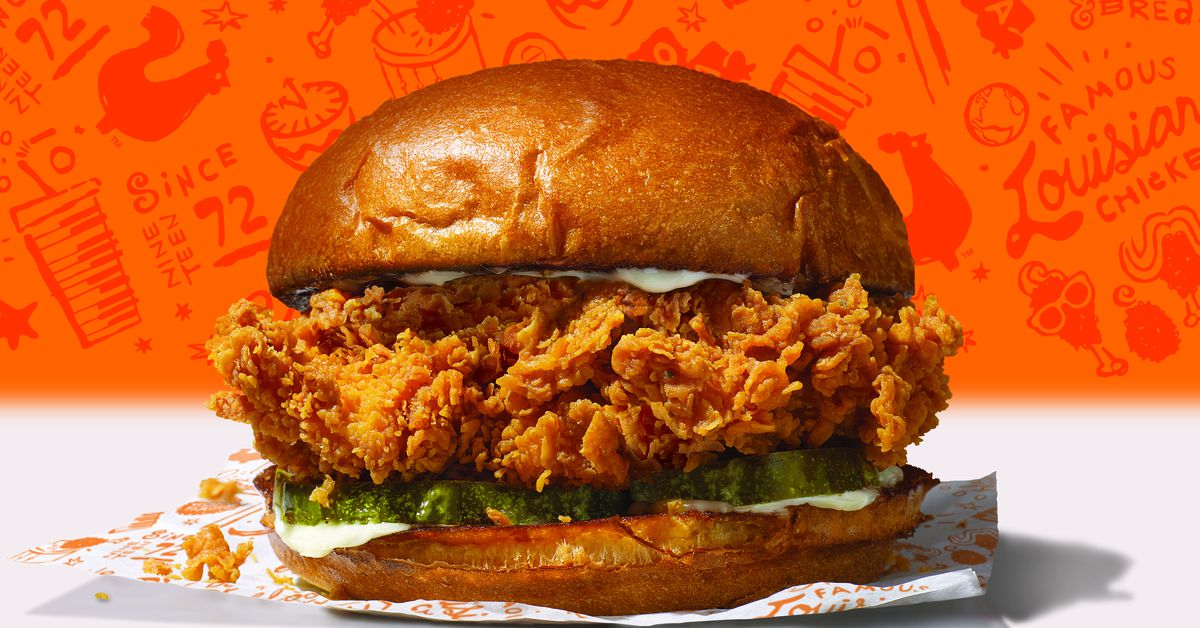
Something interesting Maya asked at lunch: Why are we eating kibble and calling it girl dinner? An overt reference to the “resurgence” of thin (or the discussion around the resurgence of thin?) that seems to be enshrouding the digital world. All your favs are on Ozemmy. Candy for dinner, protein poptarts for breakfast, looksmaxxing, whatever, whatever. My theory? We are used to instantenous results from our inputs. You touch the screen, the app opens. Scroll, new video. Like, dislike, algorithms shift. Everything happens in an instant. Now, bring in GLP-1s - which is a good drug for many people that need it and are using it under medical supervision. But they are simple to get for people that certainly don’t need it. You take the drug, you lose weight without much effort - an instant result. You get feedback. Yasss slay queen, okay Bella Hadid! Body dsymphorphia takes hold and you need to lose more. Now you’re having 10 almonds and calling it “girl dinner.” Now another girl looks at you and decides she has to become that. Society says this is good. It is permeated in our brains that our value comes from our desireability. Here is a metric of desireability that, with some manipulation of the mind and self-sacrifice, you can control. The cycle continues.
I’m still reading Wendy Chun’s book Programmed Visions, and again I see the connections between her theories and the real world. Consider the “CICO diet”: Calories In, Calories Out. Consume less calories then you burn, and you’ll lose weight. But how many calories does your body burn? There’s another equation for that: TDEE, Total Daily Energy Expenditure - the amount of calories your body burns per day based on your current activity level. Just put in your height, weight, and age into the numerous calculators online and you’ll get the exact calories you need to eat everyday. Now you can join the world of MyFitnessPal and begin your weightloss journey, with the safe guardrails of the infalliable algorithms of CICO and TDEE on your side. What could go wrong?
Probably everything. This attempt to algoritmize the processes of the human body (trying to mold humans into machine) ignore the fact that humans aren’t machines or blocks of code. I’ll reference the television show The Biggest Loser, where contestants competed for a 30-week period to lose the largest amount of weight for a cash prize. Nevermind the absurd premise of the show, which gamifies the health of individuals for the entertainment of the viewer (yet another marker of late-stage capitalism). Years later, the vast majority of these contestants have not been able to maintain the low weight they achieved during the show. But, CICO! They just need to eat less! But they had been eating less.The truth is their metabolisms had changed. To maintain the amount of weight they lost, they had to eat drastically small diets (much smaller than what your typical TDEE calculator would suggest - like 800 calories for a 191 pound male).
One thing Dr. Chun explains is that people make a deference to code/programming/computers/algorithms, because those things are thought of as an absolute truth. As in, you have to type very specific instructions when you write code, in a particular format, in order for it to compile and run as expected. If not, your code will produce an error. Therefore, the general populace thinks code is perfect truth. And software engineers think of themselves as magicians, the beings that can truly understand how to write and read code. In addition, Dr. Chun makes some references to genetics (this is in Chapter 3), basically saying that because people believe that code is truth, that algorithms control everything, that we should apply this to everything, including the human body. Say we could reduce the human body to a modifiable genetic code - then we could create/modify “perfect” human beings which could produce more things more efficiently - perfect capitalist machines.
I believe the obsession with “CICO” (and GLP-1’s and girl dinners and everything I’ve mentioned), is just a side effect of our trust in the algorithms that surround us. We want to believe that humans can be machines, that we can force ourselves into algorithms and come out perfect, even if it doesn’t really work that way. And there’s no reason for this way of living to stop. It’s very profitable for people to believe that their bodies are just little algorithms. Look at the protein craze - even water has protein now, and people are buying. People that are in shape make great candidates for the military, or great workers to build data centers (for the AI that will replace software engineers, so called magicians of code) and the inevitable colonies on Mars.
My clarity on this phenomenon doesn’t make me immune to it. I see how society rewards what is called “discipline,” and I do feel a sense of accomplish at something as ridiculous as skipping a meal. As bell hooks put it succinctly: “When leading feminist thinkers […] worship at the throne of thinness by refusing to eat, by endlessly dieting, their actions speak louder than their words.” I do desire to have child(ren?), but for this reason and others, I cannot have one now - I cannot be a good example to a daughter if I engage in contradictory thinking and the “Female obsession with thinness” (also bell hooks words). For now, what I can offer is a solution: We need a movement. Popeyes needs to make another sandwich so undenialy ambrosial that people flock to their restaurants. VPs will skip conference calls, software engineers will abadon PRs, nurses will leave their patients to rot - the whole world needs to be so enchanted by this sandwich that the seams of society wear thin, and the ideal of the slim waisted baddie leaves the minds of both men and women alike, because in this magical world (the real exit from dsytopia), we can only eat sandwich.
Comments